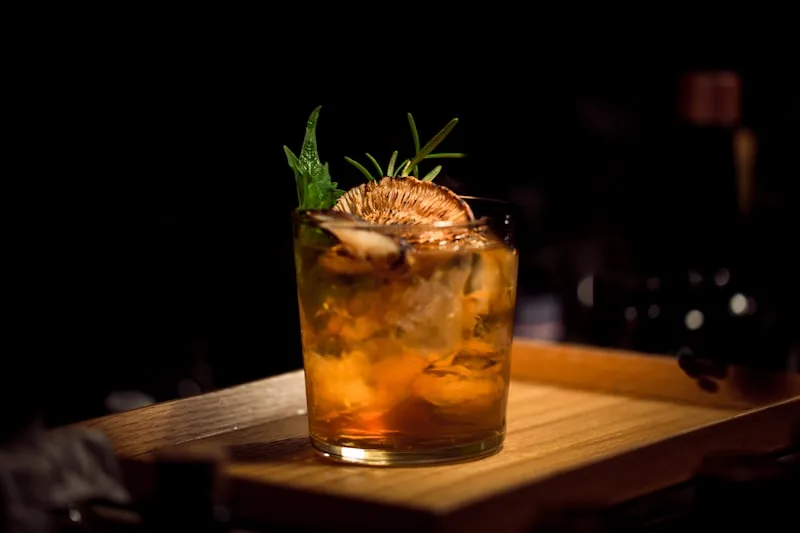
Tasting a fine spirit is an art accessible to everyone, provided you adopt the right habits. It requires no expert knowledge — only an attentiveness to the senses.
The glass
Choose a tulip glass or a Glencairn-style glass: its funnel shape concentrates the aromas towards the nose while allowing the spirit to breathe. Avoid straight-edged glasses, which release alcoholic vapours before the finer aromas.
The colour
Tilt the glass slightly over a white surface. The robe — from pale gold to deep mahogany — already gives an indication of the duration and type of ageing. Amber hues often evoke American oak; copper gold suggests French oak.
The nose
Hold the glass a few centimetres from your nostrils and breathe slowly. Do not plunge your nose into the glass: the volatile alcohol would mask the delicate aromas. Take your time identifying the foreground notes (fruit, floral) and then the underlying nuances (spice, wood, leather).
The palate
Take a small sip and allow it to linger in the mouth for a few seconds before swallowing. The attack, the mid-palate and the finish are three distinct moments, each telling a part of the spirit's story. With or without a drop of water? Try both: a little water can open up aromas that were previously closed.